
Student Housing Development Models: P3s vs. University-Built
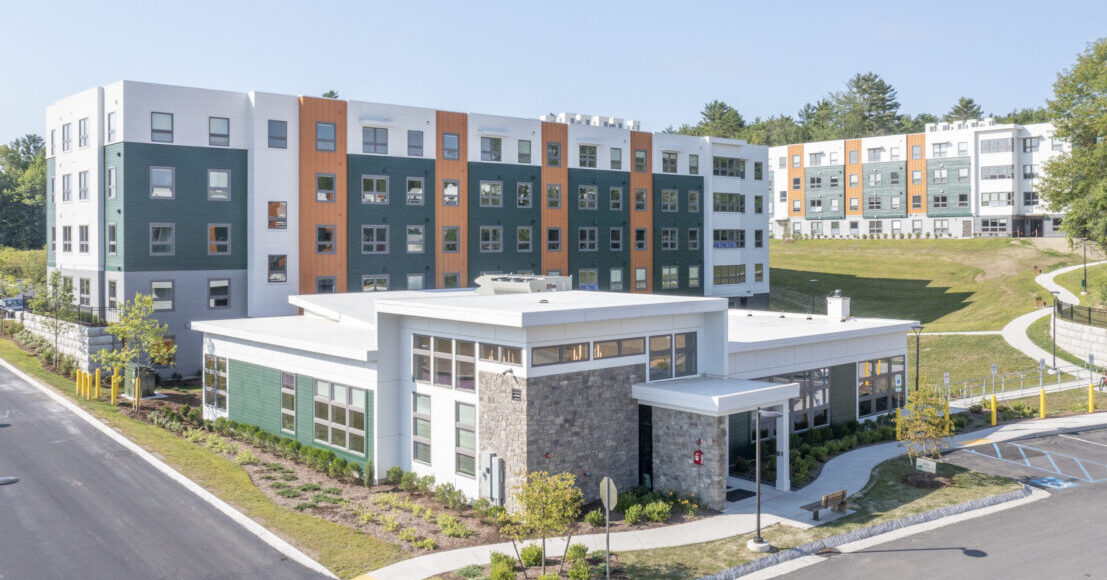
The student housing shortage isn’t going away, and the solution isn’t one-size-fits-all. How you increase student capacity—whether through direct university investment or private partnership—determines who controls pricing, who carries the risk, and how flexible you’ll be for decades to come.
Both Public-Private Partnerships (P3s) and university-built models offer viable paths forward, but each comes with distinct advantages and considerations. The right choice depends on your institution’s financial position, risk tolerance, operational capacity, and long-term strategic goals. Our comparison breaks down the key factors to help you evaluate which approach aligns best with your campus needs.
Choosing the right student housing development model requires careful analysis of your institution’s unique circumstances and priorities. PMA brings decades of experience guiding universities through these complex decisions, from initial feasibility studies to project delivery. To discuss how these models might apply to your project’s vision or to explore your student housing options, contact Brad Moeller at bradm@pmainc.com.
Connect with this article’s contributors:
Melissa Plaskonos, Vice President
P3 or University-Built: Choosing the Right Path for Student Housing Development
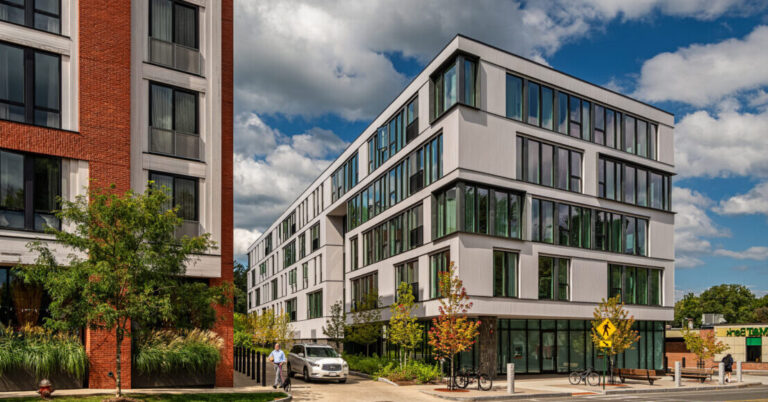
Universities addressing student housing shortages must choose between building facilities themselves for long-term control and revenue, or partnering through P3s for faster delivery and shared risk, with each approach offering distinct trade-offs in financing, operations, and student experience
The Art of Winning Work in Behavioral Health Facility Development
Cal Poly Transforms Student Housing with Modular Construction